
Care That Never Pauses

Healthcare

Healthcare solutions help organizations strengthen operations, improve workforce readiness, and deliver reliable support in a highly regulated and evolving environment.

What Slows Care and Operations?

The healthcare industry feels pressure where systems disconnect, response slows, compliance tightens, and care teams depend on uninterrupted digital support.

System Silos

Disconnected platforms limit visibility across clinical, administrative, and revenue functions, causing slower decisions, duplicate work, and inconsistent information when teams need accurate insight most daily.
Cyber Exposure

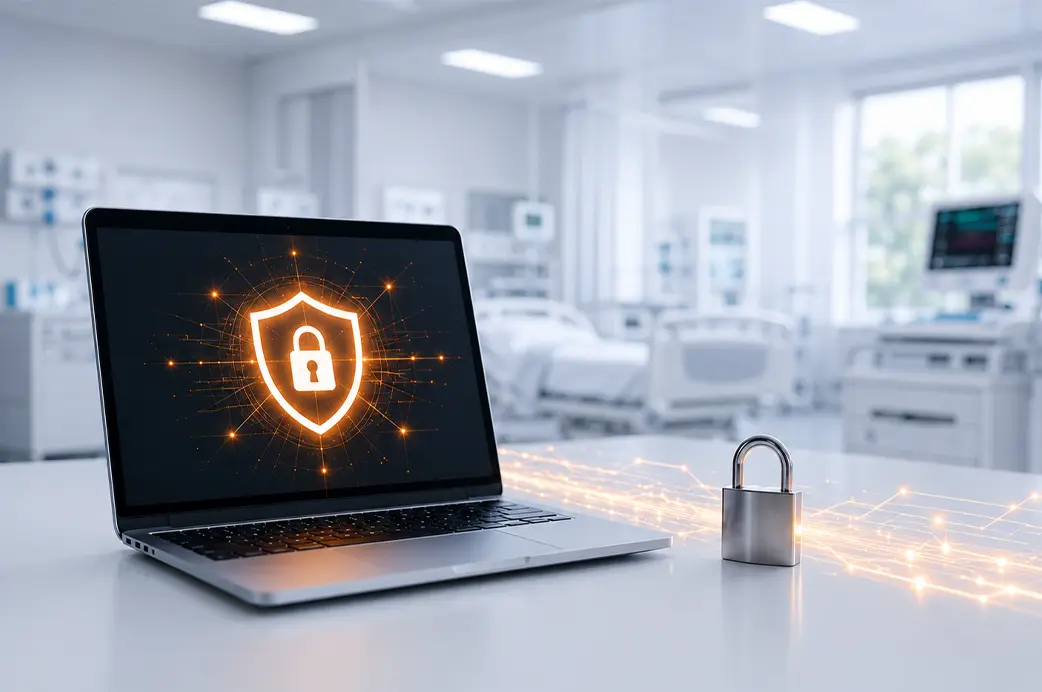
Hospitals, clinics, and partners face constant attack surfaces, making protection, recovery, access control, and response planning essential for preserving patient trust and service continuity daily.
Compliance Demands

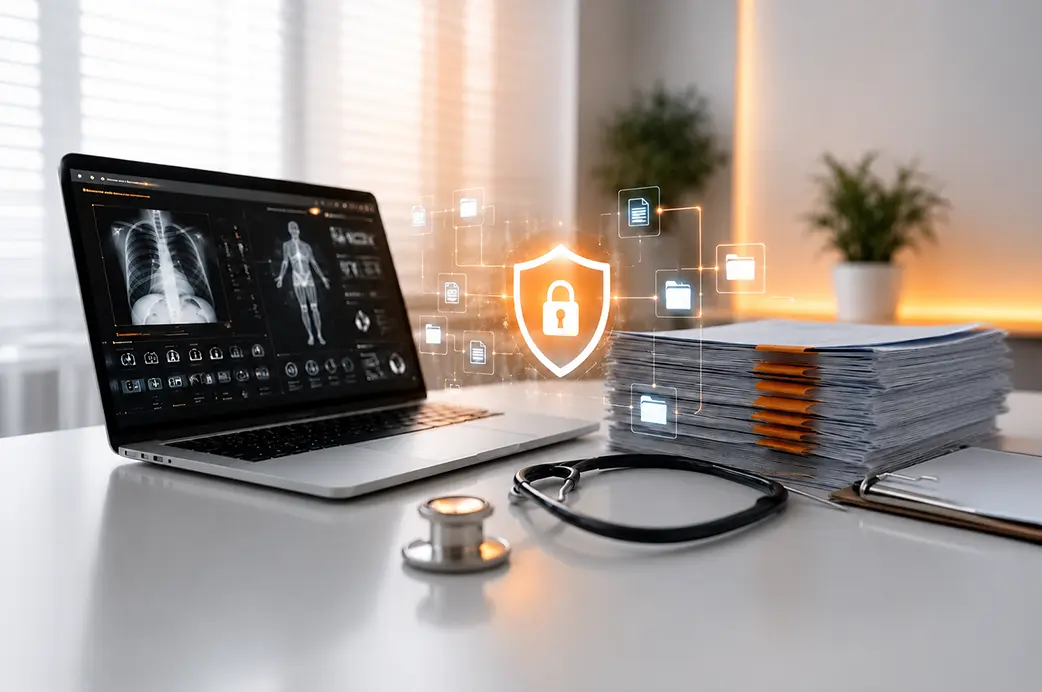
Privacy rules, audit expectations, and security obligations require stronger documentation, clearer controls, disciplined oversight, and faster evidence across systems handling sensitive healthcare data every day.

Staff Strain

Internal teams often juggle support, upgrades, integrations, and urgent issues simultaneously, leaving little room for strategic improvement or well-planned modernization work across care environments today.

Where Should Healthcare Improve First?

Integrated Records

A healthcare IT solution improves data movement between systems so clinicians, administrators, and support teams act from one clearer picture.

Cloud Readiness

Cloud solutions for healthcare support resilience, scalability, and secure access when migrations, governance, and workload priorities are planned with care.

Support Stability

Healthcare managed IT keeps incidents visible, users supported, and systems monitored so technology remains dependable across clinical and administrative environments.

Revenue Accuracy

Connected workflows around medical billing software reduce manual rework, improve data consistency, and support cleaner handoffs across revenue cycle operations.

Strengthen Healthcare With Better IT

Modernization in the healthcare industry succeeds when every technology decision protects care continuity, data integrity, and staff confidence. ENTMatrix, Inc. brings strategy, support, and implementation discipline to healthcare environments that cannot tolerate disruption. From cloud computing in healthcare to workflow integration and secure operations, the goal is practical progress that strengthens service, resilience, and organizational control over time for patients.

What Healthcare Must Protect

Care Continuity

Stable systems help clinicians, staff, and patients experience fewer disruptions across workflows and service interactions.

Data Privacy

Strong controls protect sensitive information while supporting access, accountability, and trust across healthcare environments daily.

Revenue Confidence

Reliable processes reduce errors and strengthen handoffs affecting billing, reporting, and operational follow-through every day.

Which ENTMatrix Capabilities Fit Here?

The healthcare industry benefits most when technology services match clinical realities, privacy demands, staffing pressure, and operational continuity.

Cloud Modernization

Cloud solutions for healthcare improve resilience, scalability, and access when architecture, compliance, migration sequencing, and support ownership are handled around patient care requirements every day.

Managed Support

Healthcare managed IT gives teams stronger monitoring, faster issue response, and steadier service coverage across clinical, administrative, and support environments every single day for patients.

AI Enablement

AI and ML initiatives can support triage, forecasting, and workflow efficiency when models stay governed, explainable, and tied to reliable data across departments and systems.

Talent Flexibility

Staff augmentation and targeted hiring help the healthcare industry secure specialized delivery support without pausing modernization, implementation, or urgent operational work across teams and timelines.

Questions Healthcare Teams Ask

What technology priorities matter most in healthcare?

Healthcare priorities often include interoperability, secure access, workflow reliability, modernization, support coverage, and implementation discipline. In the healthcare industry, these decisions affect patient service, staff efficiency, regulatory readiness, and business continuity at the same time, which is why technology planning cannot stay isolated from operational realities.

This type of solution helps unify fragmented systems, reduce manual effort, and improve visibility across clinical, administrative, and revenue workflows. When teams work from cleaner information, they can respond faster, coordinate better, and reduce the operational friction that often slows service across complex environments.

Cloud computing in healthcare can improve resilience, access, and scalability when migration, security, and governance are planned together. The goal of cloud healthcare is not change for its own sake, but stronger continuity, better support for distributed teams, and infrastructure that can adapt without compromising oversight.

Managed support helps organizations keep systems monitored, users supported, and incidents addressed before disruption spreads. That matters in the healthcare industry because downtime affects staff productivity, patient experience, and operational confidence all at once, especially when multiple systems are interdependent.

Yes. Secure cloud environments can support revenue cycle workflows, and medical billing software performs better when integrations, permissions, and data quality are handled carefully. ENTMatrix, Inc. helps teams strengthen those conditions so billing processes become more reliable, less manual, and easier to support over time across the healthcare industry.

The healthcare industry often needs specialized support when implementation deadlines tighten, integrations expand, or internal teams are stretched too thin. ENTMatrix, Inc. can provide project-based expertise, managed support, and flexible staffing so organizations keep modernization moving without pausing essential day-to-day operations.

Strengthen Care With Better Systems

Tell us which healthcare industry priorities, support gaps, and system plans need the right next technology decision today.